Services / Business & nonprofit archives
Your records kept for the long term, and a history you can draw from
Records kept for the long term, and a heritage collection you can actually use, for the anniversary, the book, the wall behind the host stand, and the day someone asks when the family bought the building.
Why now
The trigger is a date. The risk is a move.
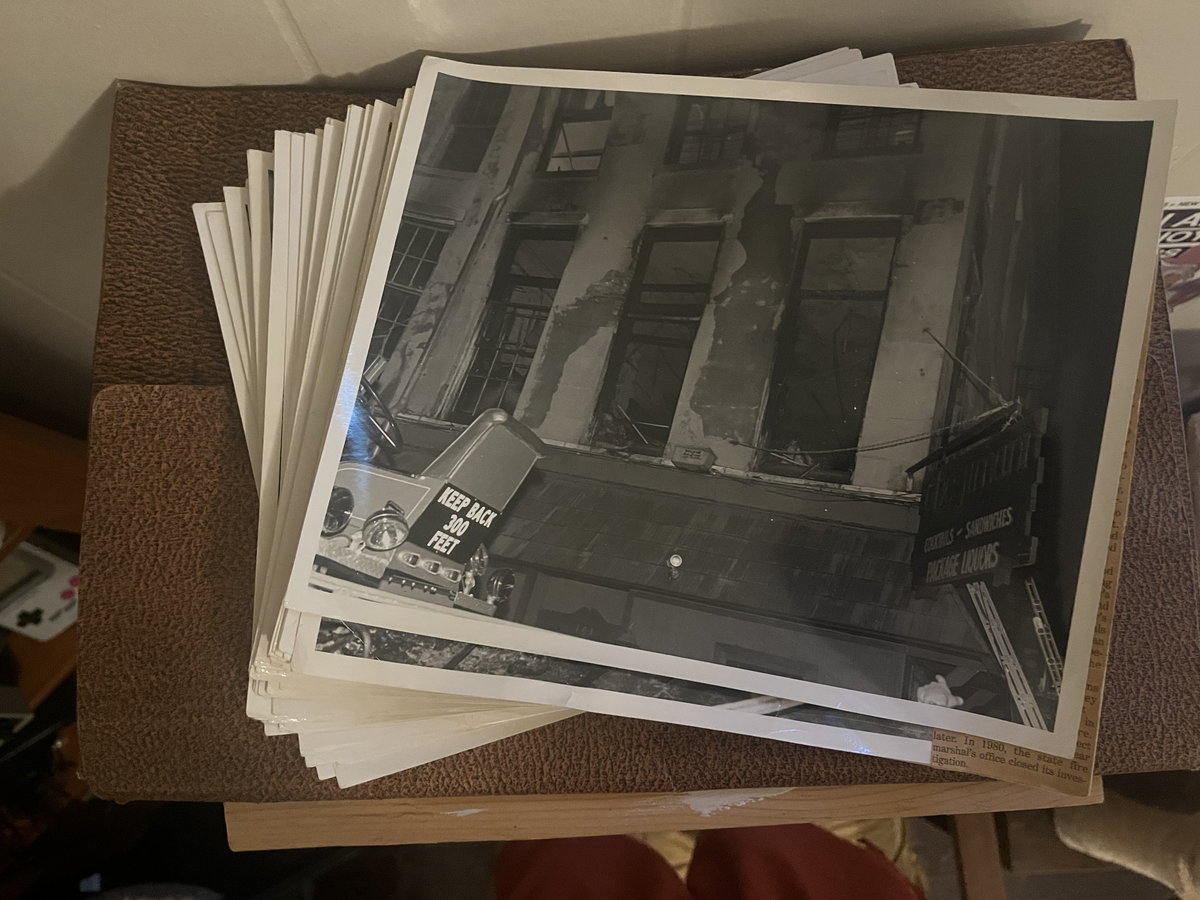
A milestone year, an ownership change, a renovation, an office move: each one sends the company to its own past and finds it in a filing cabinet nobody has opened since the last move, a box of photographs with no names, and an ad agency’s hard drive that went with the agency.
New Orleans businesses are old by American standards and the paper shows it. Ledgers from the founder’s hand, menus from every decade, photographs of a storefront that has changed three times. That material is worth something to the marketing department, to a buyer, to a historian, and to the family, but only if it is organized, described, and cleared for use.
The work here has two halves that are kept separate: a records program for what the business must keep and for how long, and a heritage collection for what it should keep forever.
What you get
Two collections, clearly divided, both findable.
- Records survey
- Every cabinet, box, and drive listed: what it is, what period, whether it is active, required, historical, or none of the above. The survey is where most of the storeroom turns out to be safely disposable, in writing.
- Retention schedule
- What must be kept and for how long, drafted with your accountant or attorney for the parts the law decides, and a procedure for what happens to next year’s records.
- Heritage collection
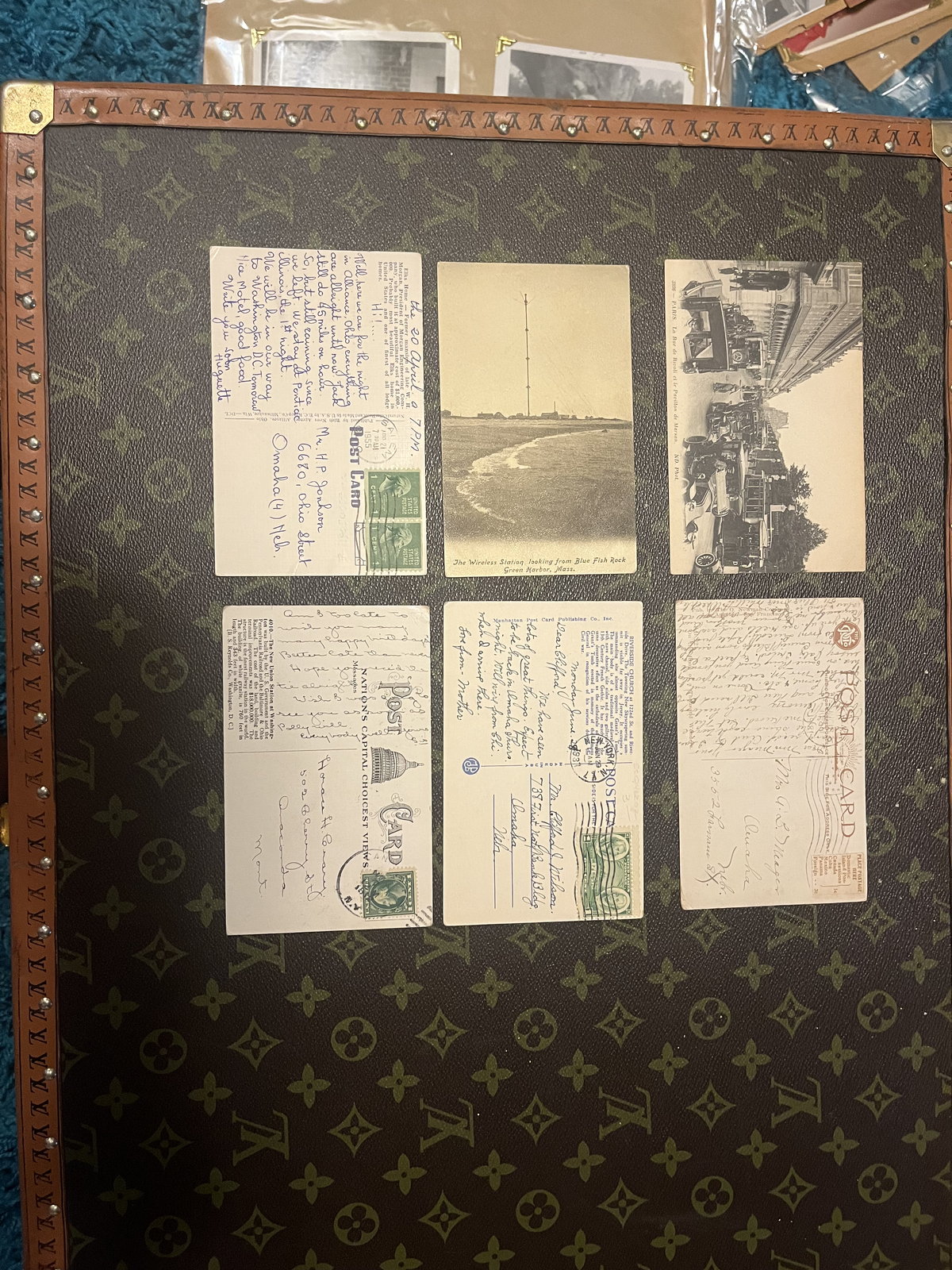
- The permanent material (founders’ papers, photographs, advertising, product, press, milestones) arranged, described with Dublin Core elements, placed in archival-grade boxes, and indexed in a finding aid your staff can search.
- Digital files and rights
- High-use and fragile items scanned at archival resolution and named to match. Rights and permissions recorded item by item so marketing can use what is usable without asking.
- The anniversary
- When the date comes: a curated selection, captions written from the record, and the exhibit, book, or wall built from it.
How the engagement runs
On site · around your hours · confidential
-
01
Survey
A walk-through of every place records are kept, with the people who keep them. Written report: what exists, what condition, what is at risk, what is required, and a proposal with a fixed price for the first phase.
-
02
Records program
Retention schedule agreed with your accountant or attorney; active records left where they work; inactive required records boxed, listed, and dated for disposal.
-
03
Heritage collection
Permanent material gathered from every department and the family, arranged and described, boxed in archival-grade materials, and indexed. Restricted material flagged.
-
04
Digitize and clear
What the business will use scanned and named to match; rights checked and recorded; a drive and a folder structure your staff can keep using.
-
05
Hand off, and the date
Finding aid, boxes, files, and a procedure for what comes next. If there is an anniversary, the curated selection and the deliverables for it are scoped as their own phase.
Training and record
Institutional standards, applied to a working business.
- Training
- MA, Public History, University of New Orleans, archival and preservation specialty. Working knowledge of US copyright and release procedures.
- Experience
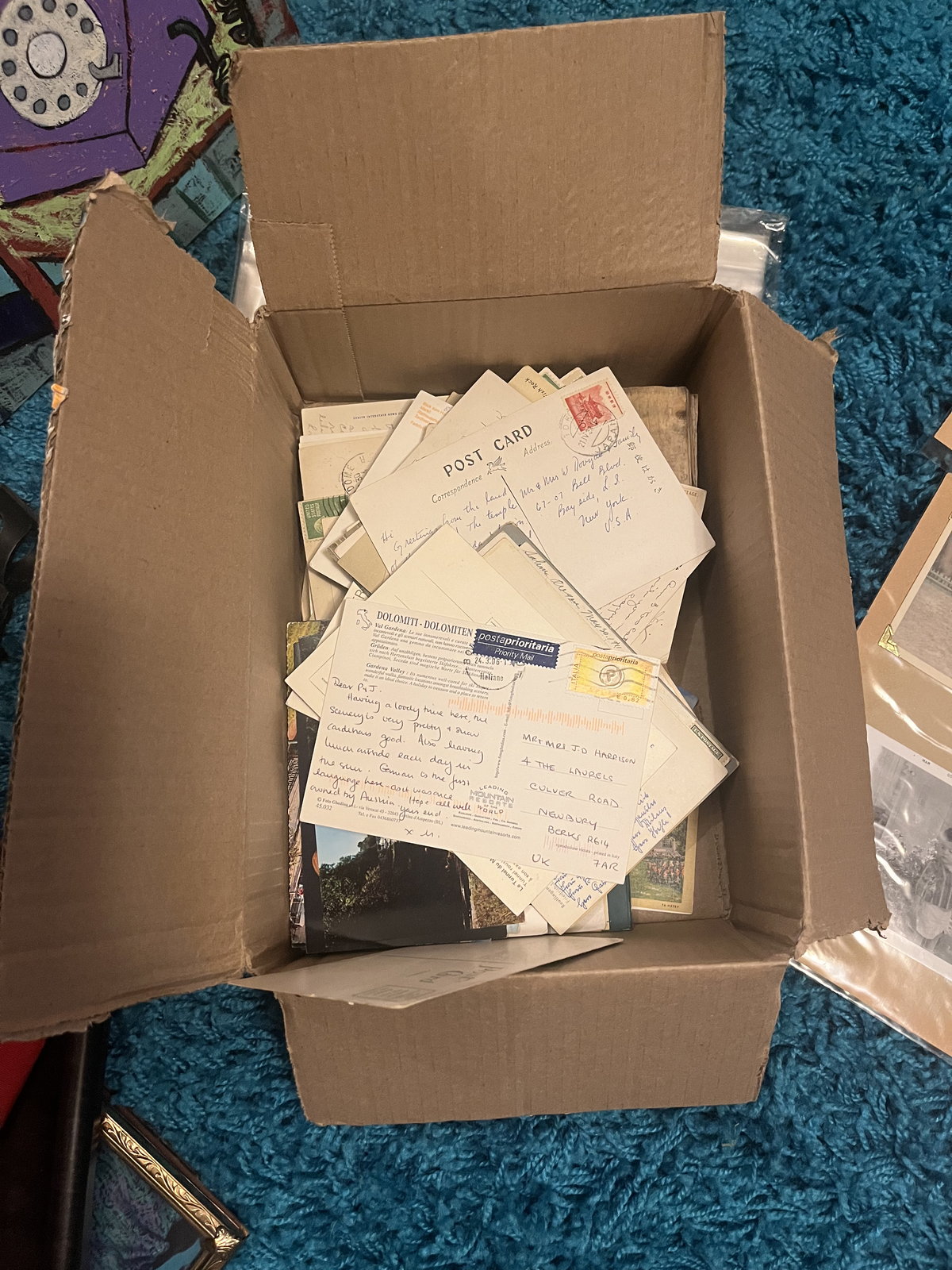
- Archival work for nonprofits, mutual aid organizations, and private family collections, alongside institutional museum and archive work.
- Curation
- Curator of “At Home,” The Front Gallery, New Orleans: 100+ hours of found footage inspected, digitized, researched, and turned into a public exhibit.
- Standards
- Dublin Core and PREMIS; AtoM and Omeka for catalogs. Your finding aid could go to a university archive or a buyer’s due-diligence team without being redone.
Training and the full CV.
Start with a survey. Before the date, not after.
Tell me the business, the milestone if there is one, and where the records are. The survey visit is free and you keep the written report either way.
Book a free consultQuestions people ask
We are not a museum. Why would a business need an archivist?
Because the history is an asset only if you can find it. The anniversary, the acquisition, the lawsuit, the founder’s obituary, the new website. Each one sends someone to the storeroom looking for a photograph or a document that nobody can locate. An archive is the difference between owning your history and merely having it somewhere.
Is this records management, or the historical stuff?
Both, and they are kept distinct. Active and legally required records get a retention schedule, drafted with your accountant or attorney for the parts the law decides. Historically valuable material gets permanent care. Most of what is in the storeroom is neither, and saying so is part of the value.
Can you work around our hours?
Yes. On-site work is scheduled around your operation: evenings, closed days, or a back room during business hours. A confidentiality agreement is available as standard.
Who can see what?
You decide, and it is written down. Personnel files, financials, and customer information are restricted by default. The heritage collection (the photographs, the menus, the advertisements, the founder’s letters) is described so marketing can use it without a lawyer in the room.
What about rights to old photographs and ads?
Checked at the description stage. Who took it, who was paid, what was agreed. Where a photograph can be used freely, the finding aid says so; where it cannot, it says what would be needed. Working knowledge of copyright and release procedures is part of the training.
How is it priced?
By the project, after a free survey. A records survey and a heritage-collection finding aid are the usual first phase; digitization and the anniversary deliverables follow as separate scopes with their own fixed prices.