504-388-0277

New Orleans, Louisiana

Brouillette Archival

Professional archival services  ·  New Orleans and surrounding areas, and by mail

Your history deserves an archivist.

Family, community, and business collections, organized, described, digitized, and preserved to museum standard. New Orleans and surrounding areas, and by mail.

MA Public History, University of New Orleans  ·  Specialized in archival and preservation  ·  Nonprofits, mutual aid organizations, and private family collections

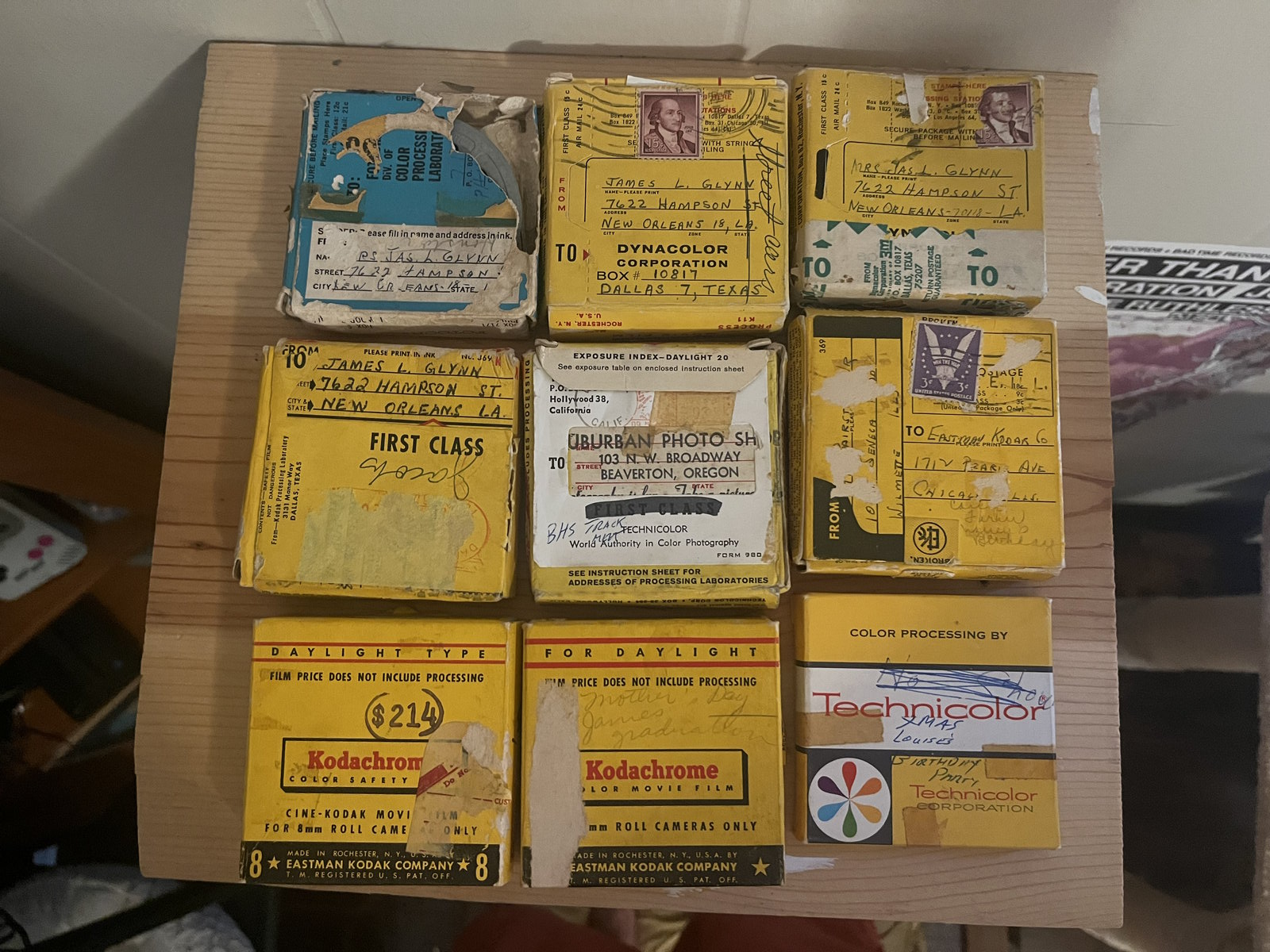
Seen from above: a dozen yellow Kodachrome and Ektachrome processing boxes packed into a shallow wooden tray, most carrying handwritten notes.
Fig. 1   Processing boxes, 8mm, unlabeled tray. As received.

The usual situation

Forty boxes in a closet. Film reels nobody can play. A hard drive from 2009.

Most collections arrive the same way: someone opens a box and realizes they're the only person left who knows what's in it. That is an archival problem, and there is a method for it.

Services

Six lines of work · quoted after assessment

  1. 01

    Consulting

    A free first conversation, then an honest assessment of what you have and what it actually needs.

    Free · on-site or by photograph

    In detail

    Contact me for a free consultation. During the consultation, I will assess your collection, identify your inventory priorities, and develop an approach and timeline for the project. I want to tailor your collection to and for you.

  2. 02

    Inventory & Organization

    Arrangement and item-level description, so every photograph, letter, and reel has a name, a date, and a place.

    Output: a searchable finding guide

    In detail

    I will arrange and organize your collection items based on what works best for your situation, whether chronological or categorical, by personal priority, or otherwise. I will then create a personalized finding guide: a detailed and searchable record of every item in your collection.

  3. 03

    Conservation & Preservation

    Fragile and deteriorating materials stabilized and conserved using archival-grade techniques, then set up to last: enclosures, storage conditions, handling.

    Paper · photographs · film · textiles

    In detail

    I will stabilize and mend fragile and deteriorating materials as far as possible using archival-grade techniques, to extend the life of your irreplaceable documents, photos, and items. I will also set up your collection for longevity and give you the knowledge to maintain it: proper storage conditions, archival housing, and handling practices for individual items and whole collections, to protect your archive from damage over time. The goal is to safeguard your family or business history for future generations.

  4. 04

    Digitization

    High-resolution capture from film, tape, print, and paper, with inspection and stabilization before anything goes through a scanner.

    8mm · Super 8 · 16mm · VHS · Hi8 · MiniDV · reel-to-reel

    In detail

    I scan and digitize your physical collection to create high-resolution, accessible copies for everyday use and sharing. This protects the originals while making your history easy to enjoy and share. I can digitize 8mm, Super 8, and 16mm film, VHS and other videotapes, and reel-to-reel audio or music recordings.

  5. 05

    Historical Research

    Who's in the photograph, what the building behind them was, and what year it was taken, written up alongside the collection.

    Included with full-collection projects

    In detail

    During and after the physical archival process, I can research people, places, and events in your collection to add context and depth to what you already have. This can sometimes uncover stories and connections your family or community never knew existed. I will write a summary of stories and events, along with a summary description of your collection, to accompany your personalized finding guide.

  6. 06

    Curation & Exhibition

    Turning an archive into something people can see. Exhibits designed, built, and installed.

    Galleries · businesses · anniversaries

    In detail

    I don’t have to stop at preserving your archive; I can help you share it too. I have experience designing, curating, and installing exhibits that bring archives to life.

Who this is for

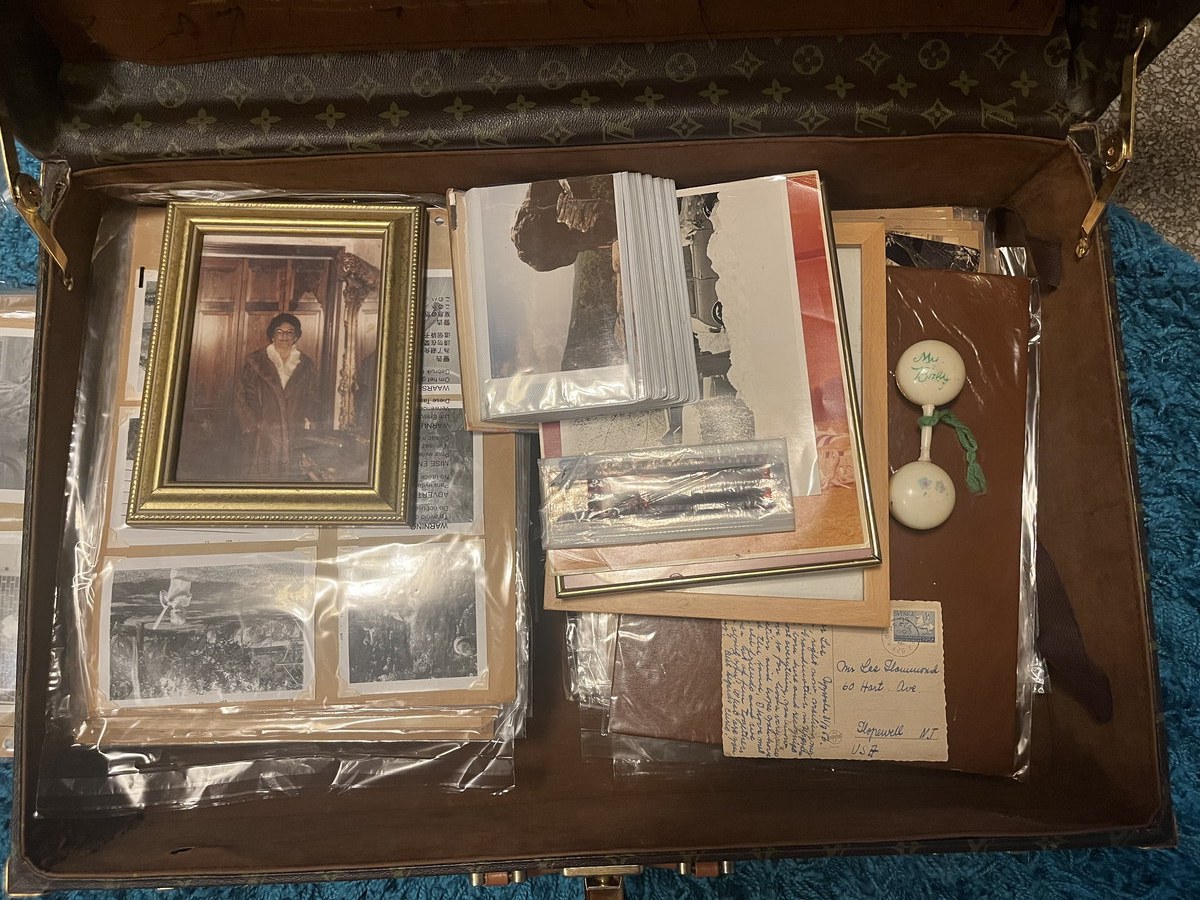
An open suitcase lid holding a gilt-framed painting, loose prints, a pocket watch and handwritten notes.

Families & estates

You inherited it, and you're afraid you'll be the one who loses it. Nothing gets thrown away, everything gets named, and you end up with something your kids can actually search.

In detail

Inheriting or accumulating relatives’ belongings often means inheriting decades of unlabeled photos, letters, and documents: a life’s worth of history that can feel overwhelming to sort through alone. Archiving turns that into an organized, lasting collection instead of a box that risks being lost to time or neglect. I tag each item with names, dates, and locations, and organize it in a simple, searchable format so no one has to guess who’s in a photo or when a letter was written.
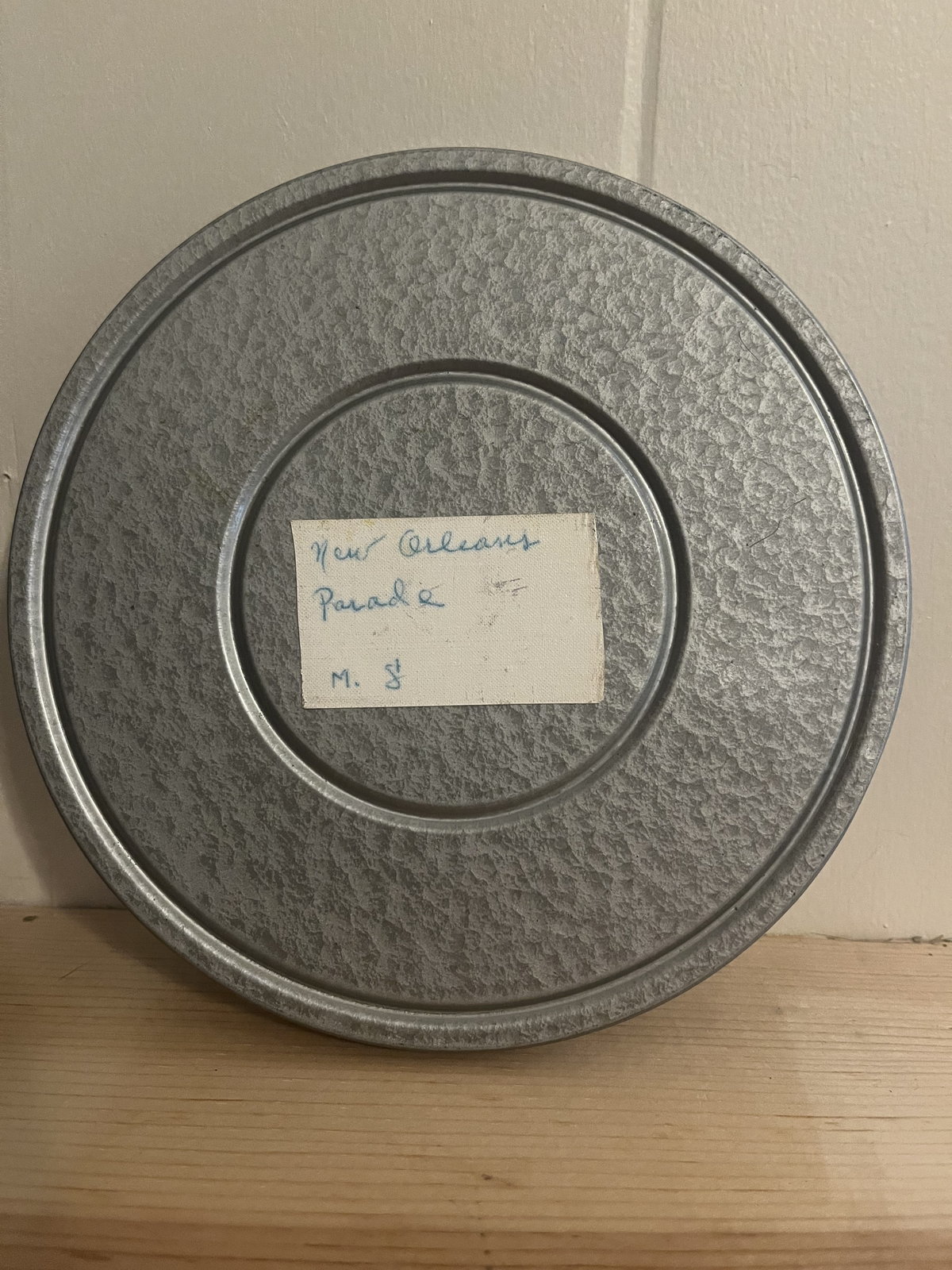
A single hammered-grey film can with a small hand-lettered label reading New Orleans Parade.

Community organizations

Old photos, meeting minutes, and newsletters, scattered across members’ homes and at risk of being lost. Brought together into one organized collection your group can maintain and grow.

In detail

Communities tend to accumulate history in scattered places: old photos, meeting minutes, newsletters, stored here and there and at risk of being lost. Archiving brings it all together into one organized collection your community or group can maintain and grow. I want your history to be organized and accessible so your initiative or campaign can learn and grow from it.

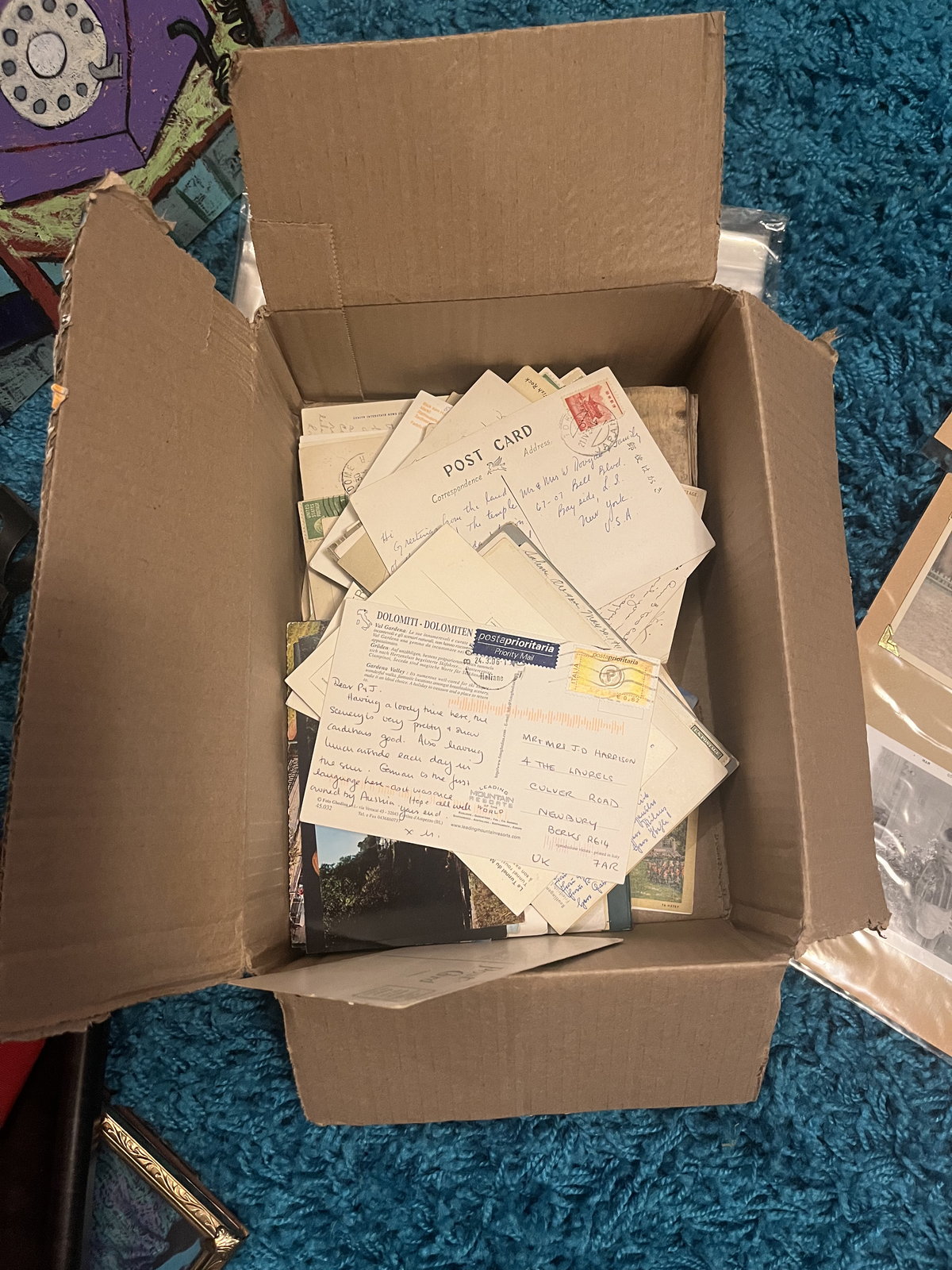
A cardboard shipping box overflowing with stamped, hand-addressed envelopes and folded letters.

Businesses

Record keeping is built for the short term; archival practice is built for the long term. What’s historically or legally significant, preserved and findable: a legacy you can actually draw from.

In detail

Regular record keeping is built for the short term. Archival practices are built for the long term, preserving what’s historically or legally significant and keeping fragile materials from degrading. I can tag everything with detailed metadata and organize it in whatever system works best for you, from Google Sheets to Excel to Airtable, so your team can find exactly what they need fast. For businesses with a long history, I can help make the difference between having records and having a legacy you can actually draw from.

Process

Five steps, in order.

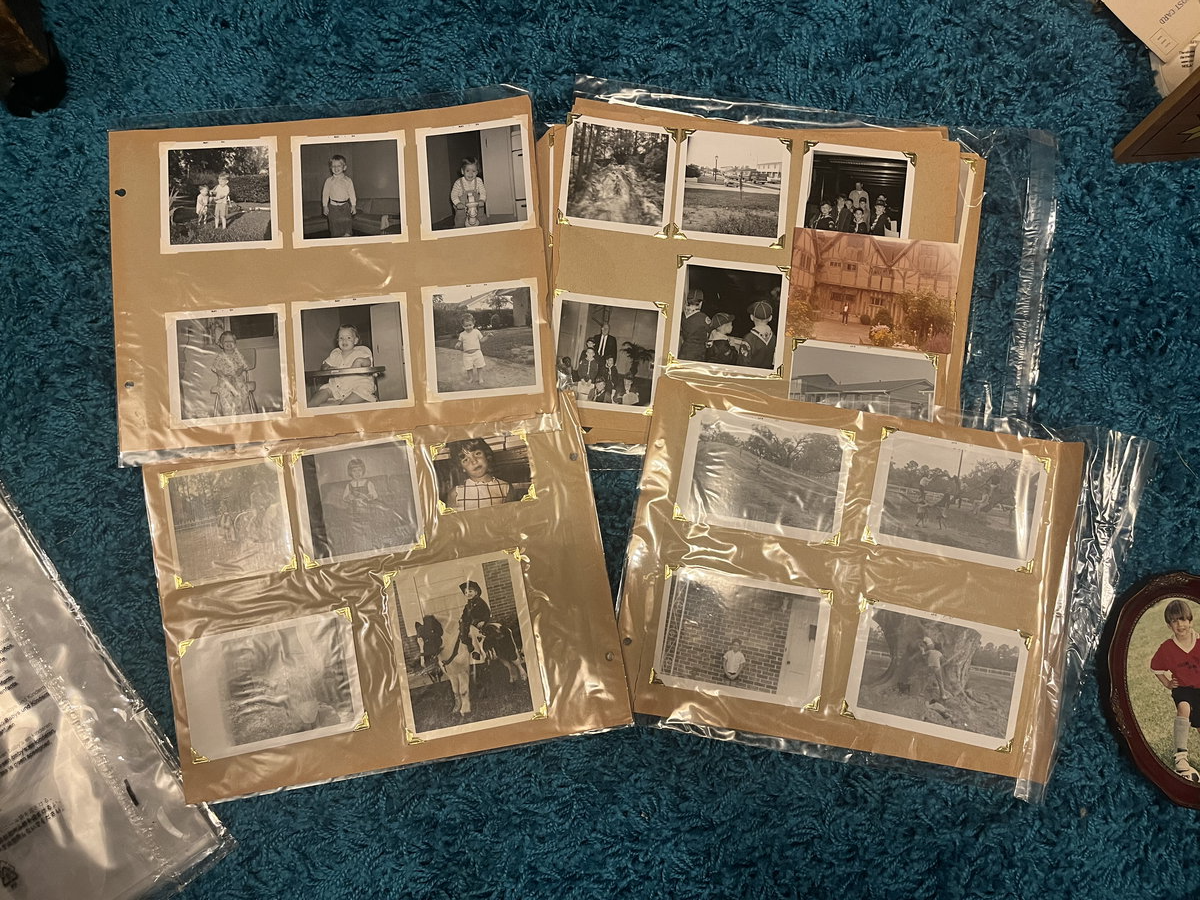
Loose album pages of small black-and-white snapshots in clear archival sleeves, laid out on a blue rug.
Fig. 2   Photo album sleeves before the photos are delicately removed and placed in archival-grade, acid-free sleeves.
  1. 01

    Consult

    A free conversation. What you have, what you want back, what it will take.

  2. 02

    Assess

    On-site or from photographs. Condition, extent, priorities, and a written timeline before any work starts.

  3. 03

    Arrange & describe

    The actual archival work. Order, names, dates, metadata.

  4. 04

    Digitize & preserve

    Capture at archival resolution. Originals placed in archival-grade materials and returned.

  5. 05

    Hand off

    Your files, your finding guide, and instructions for keeping it that way.

Selected work

Three kinds of work

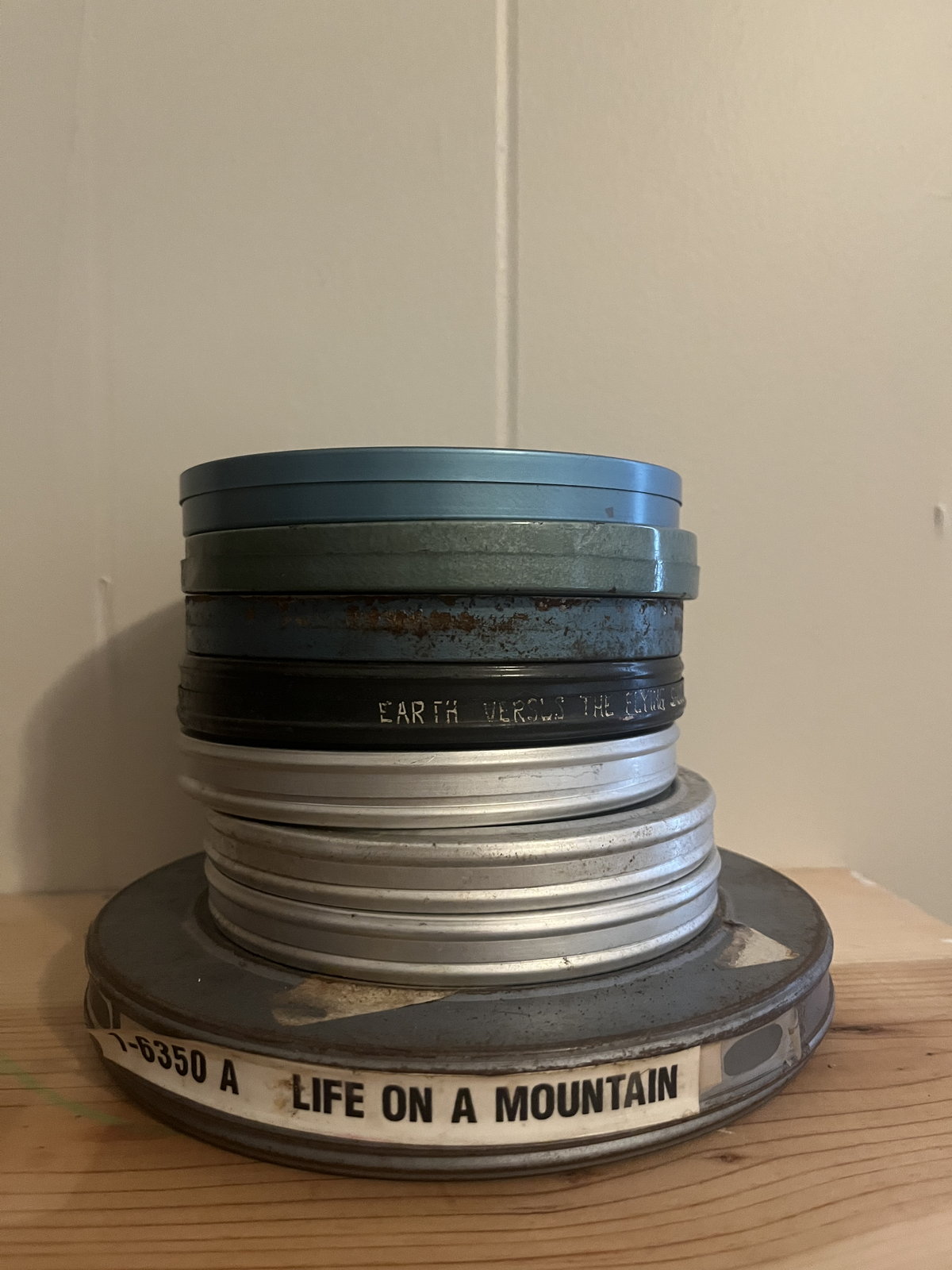
A stack of metal 16mm film cans on a plywood shelf; the bottom can's label reads LIFE ON A MOUNTAIN.

Extent: 100+ hours · 16mm, 8mm, Super 8 · 1940s–present

“At Home,” The Front Gallery

Found footage of New Orleans inspected, mended, digitized, and researched, then curated into a public exhibit.

A cardboard shipping box overflowing with stamped, hand-addressed envelopes and folded letters.

Nonprofits & mutual aid organizations

Community collections

Records, photographs, and oral histories gathered from members’ homes into one described collection, with consent, restrictions, and a catalog the organization owns.

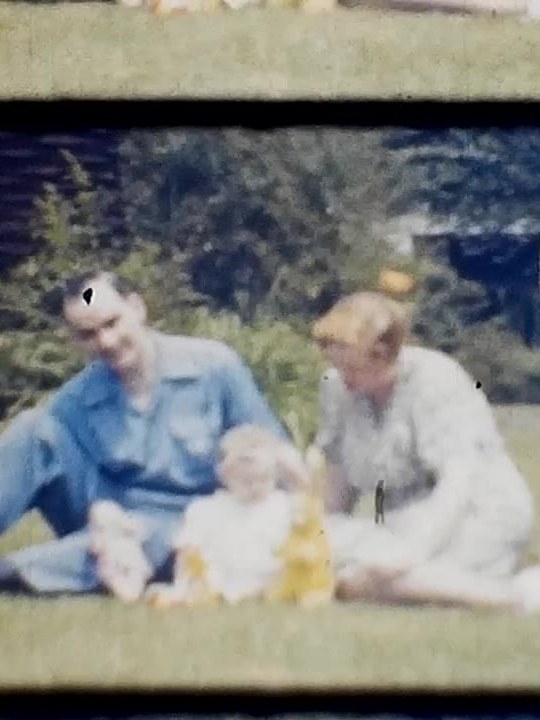
A frame of digitized colour home-movie film: two parents and a baby sitting on a lawn, the film’s frame edges visible.

Private families

Family collections

Photographs, letters, film, and papers inherited across generations, inventoried, described, protected in archival-grade materials, and returned with a finding guide.

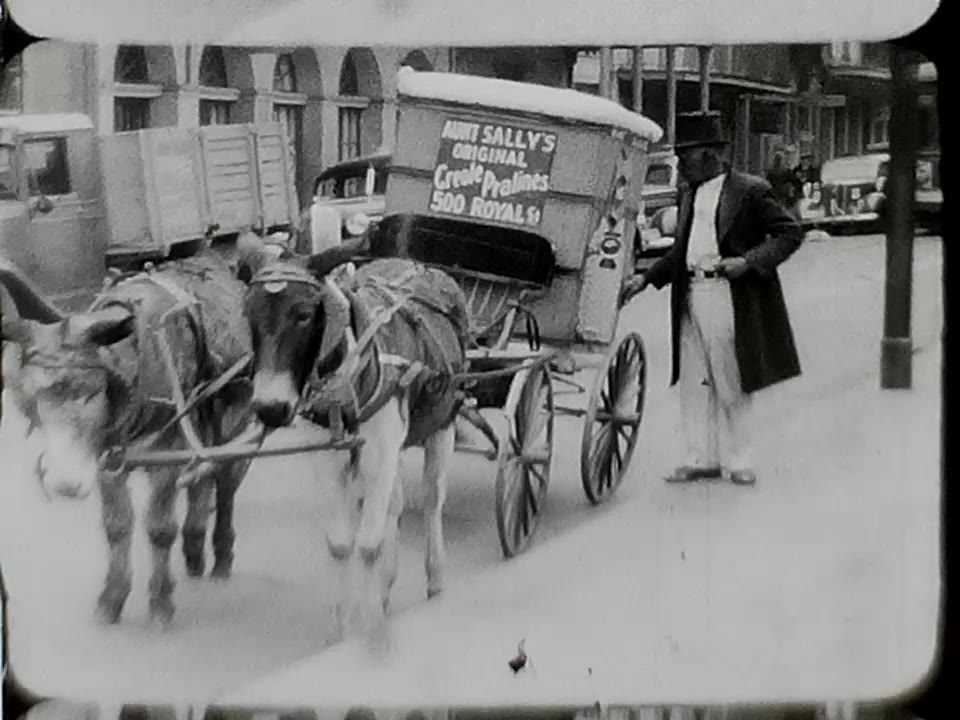
A frame of digitized colour home-movie footage: a mule cart on a New Orleans street, 1941.
Comp only. Silent looping 8mm clip goes here.
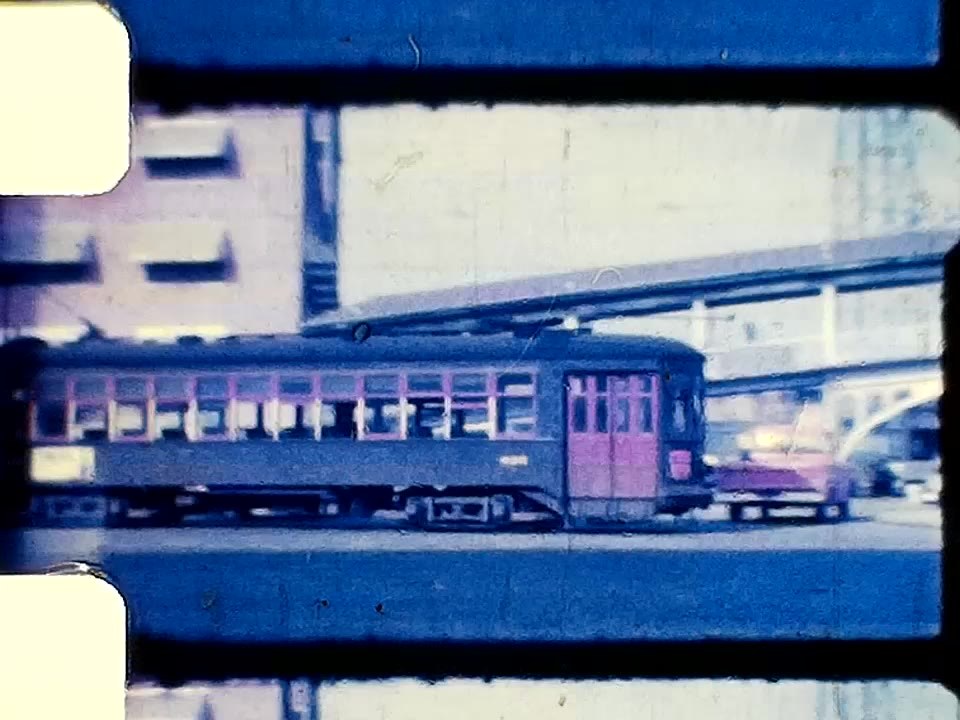
A frame of digitized colour footage: a maroon streetcar on Canal Street, with the film's sprocket edge visible.
Comp only. Low-resolution download, original requested.
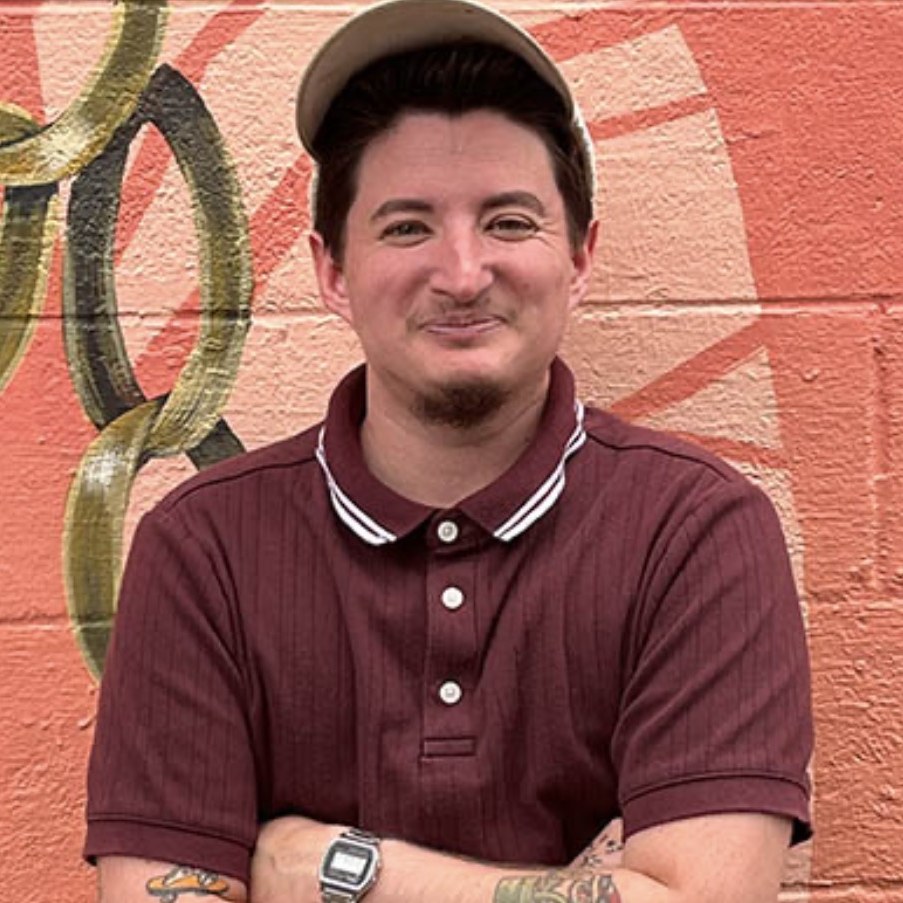
Cas Brown, archivist, in a cap and dark polo in front of an orange mural wall
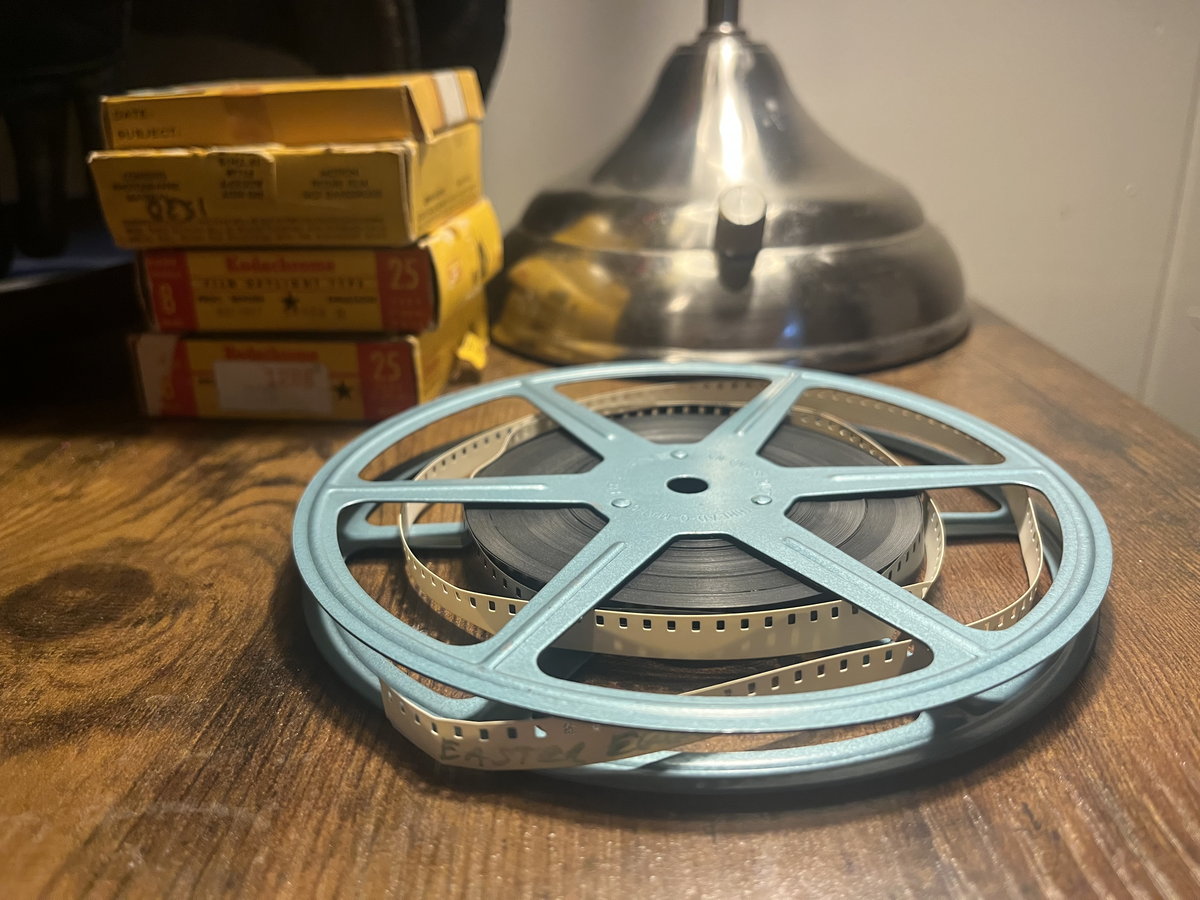
A blue reel of 8mm film lying on a desk under a brass lamp, stacks of film processing boxes behind it.
Fig. 3   Inspection desk, mid-project.

Meet Cas

One archivist, accountable for your collection.

I'm Cas Brown. I trained as an archivist (MA in Public History at the University of New Orleans, specialized in archival and preservation) and I've put that training to work for nonprofits, mutual aid organizations, and private family collections.

I take private clients because most of what matters is still in closets and garages, not institutions. Your collection is handled by me, described by me, and returned by me. There is no queue of technicians behind this.

More about the practice

Formats handled

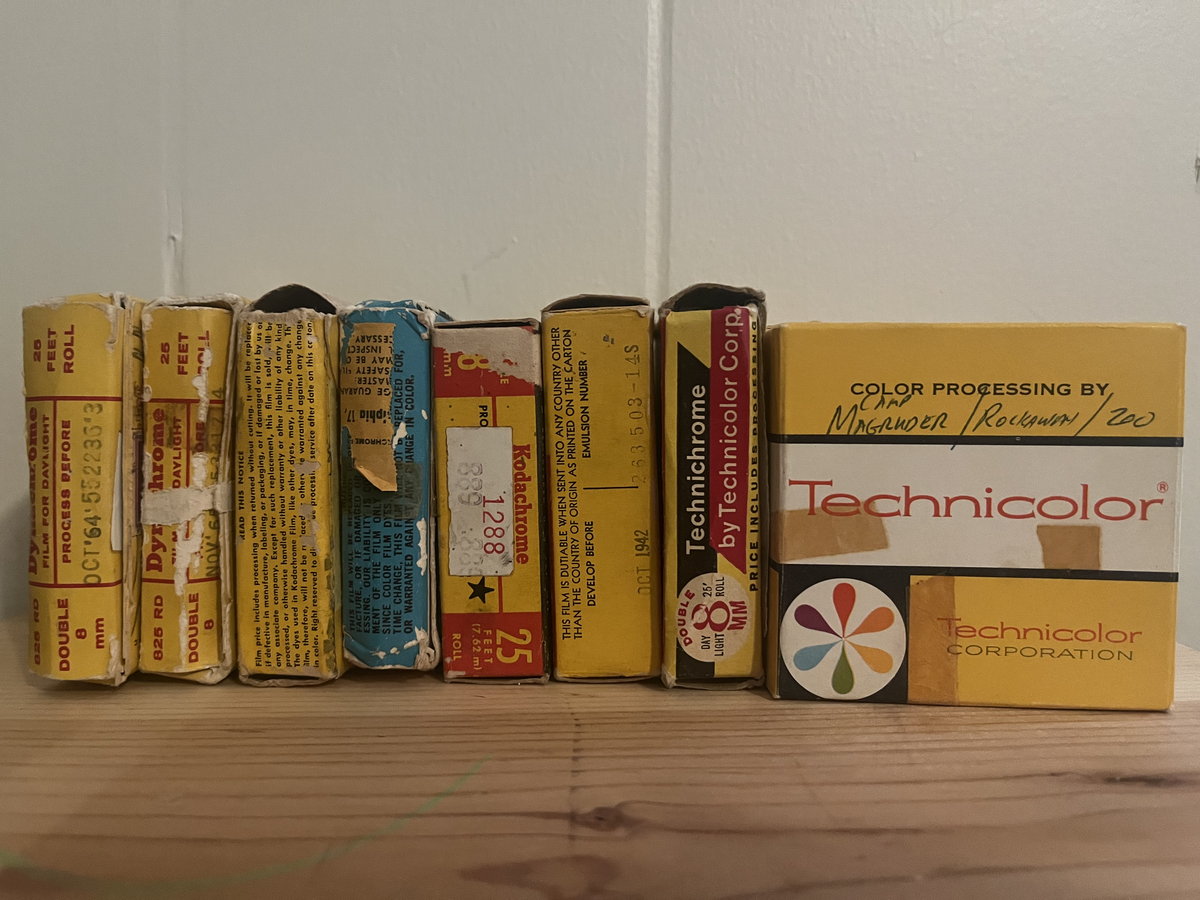
A row of yellow Kodak and red Technicolor film-processing boxes standing on edge on a plywood shelf.
Film
8mm · Super 8 · 16mm
Video
VHS · VHS-C · Betamax · Hi8 · Digital8 · MiniDV
Audio
reel-to-reel · cassette · microcassette
Photographic
prints · 35mm negatives · slides · glass plate
Paper
documents · letters · scrapbooks · maps · blueprints
Digital
hard drives · optical discs · floppy media · cloud exports

Questions people ask first

Do I get my originals back?

Always. Every original is returned to you in archival-grade materials, labeled to match its files. Nothing is kept, and nothing is discarded without your say-so.

What does it cost?

Projects are quoted after an assessment, because a shoebox and a storage unit aren't the same job. Film is priced by the foot rather than by the reel. A three-inch reel is about 50 feet, a seven-inch reel about 400.

How long does it take?

You get a written timeline with your quote, before any work starts. I reply to every inquiry within two business days.

Can you handle damaged film?

Usually. Brittle splices, shrinkage, curl, and that vinegar smell are all common and mostly workable. Send a photo of the reels and I'll tell you honestly.

Should I just use a cheap transfer service?

Sometimes, yes. If you have twenty clean 50-foot reels and you just want to watch them, a volume service will do that well and cost less. Come to me when the film is damaged, shrunken, unlabeled, or the only copy.

Do you work outside New Orleans?

On-site throughout Greater New Orleans. I will travel around southeast Louisiana on a case-by-case basis. (Mail-in line to be added once insurance is in force.)

Start with a free consult.

Tell me what you have, even if “a closet, I think” is the honest answer. No obligation, and I'll tell you if you don't need me.

Book a consult