About
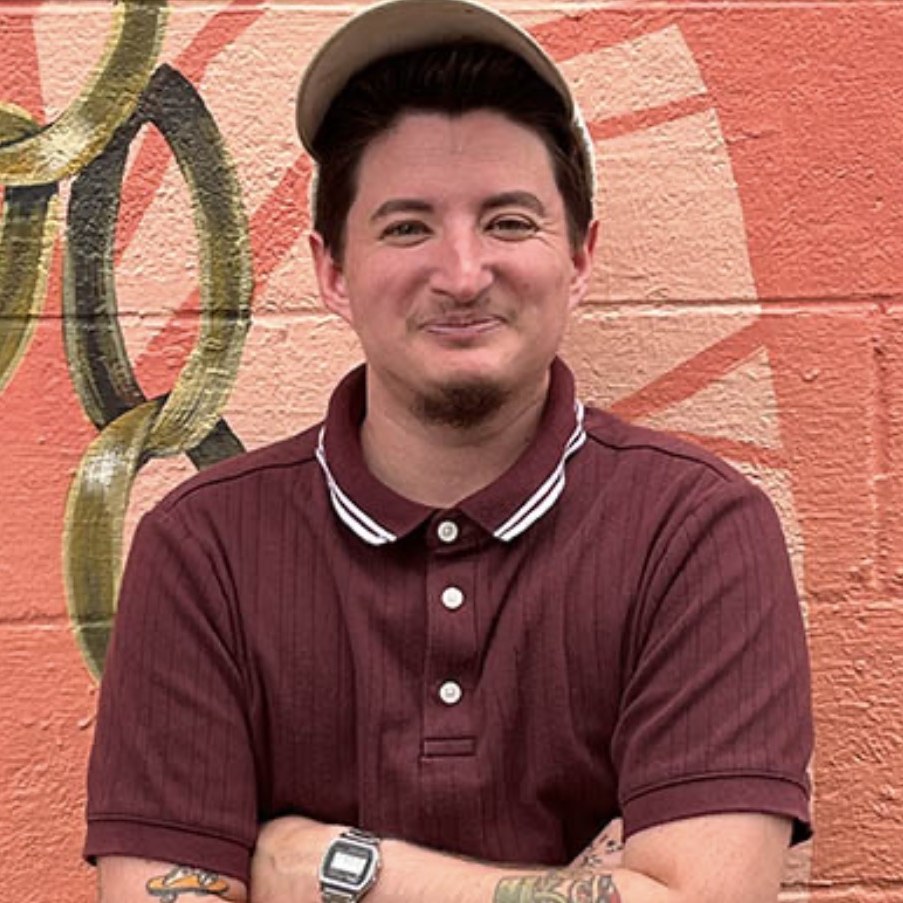
Cas Brown, archivist
I got into this work because of a box. Someone I loved kept one: photographs, a few letters, two reels of film nobody could play. When they were gone the box was all that said who they had been. Nobody knew what was in it. I decided to find out, and I have been finding out for other people ever since.
Brouillette Archival is my private practice. Every collection that comes through it is handled, described, and returned by me. There is no team behind the name, and I would rather you know that than assume otherwise.
Training
Trained twice: once in film, once in archives.
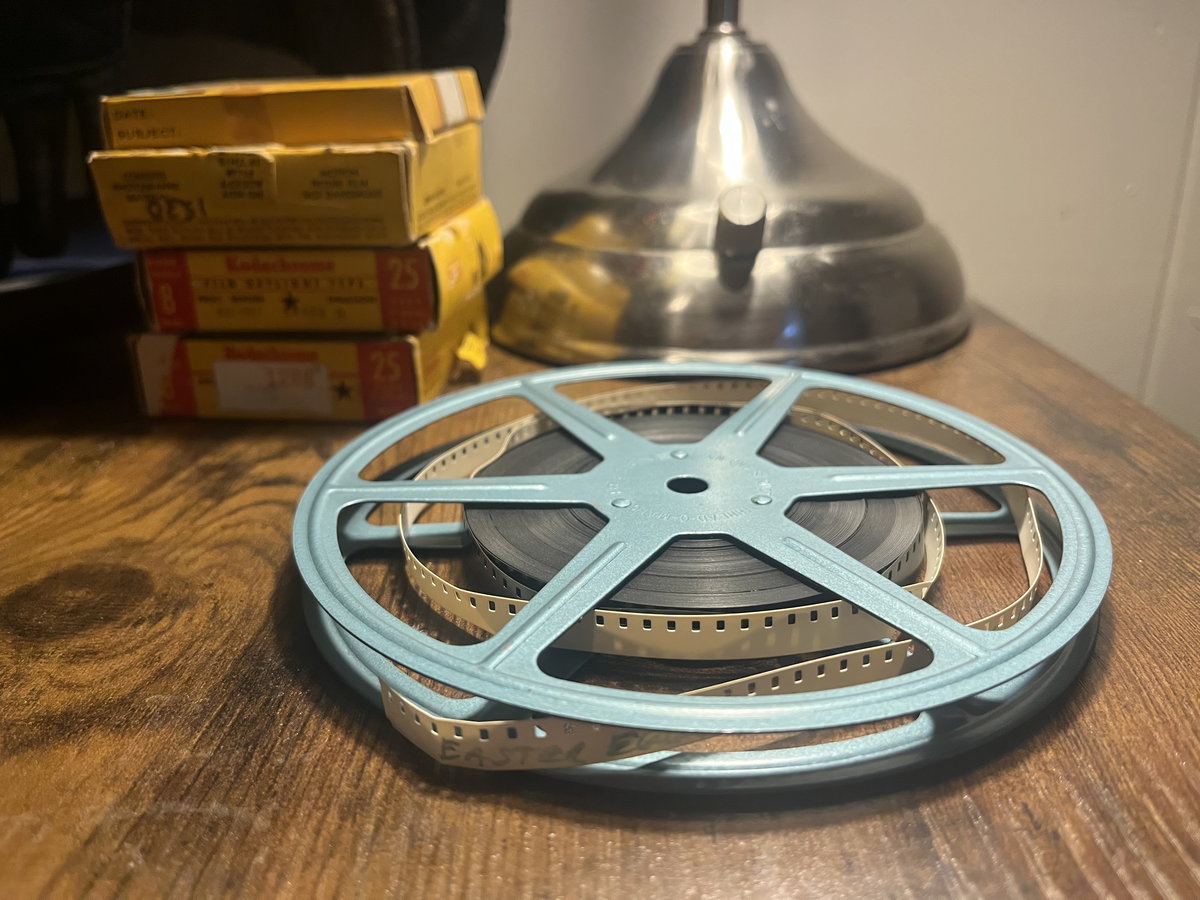
The film degree came first and it is not a detour. Ten years in projection booths taught me how film behaves in the hand: how it shrinks, where it breaks, what it smells like when it is in trouble. The archives degree taught me what to do about it, and how to describe what I found so someone else can find it again.
- 2025
MA, Public History
University of New Orleans. Archival and preservation specialty.
- BA
Film & Communications
University of New Orleans.
Where the work has been
The full CV
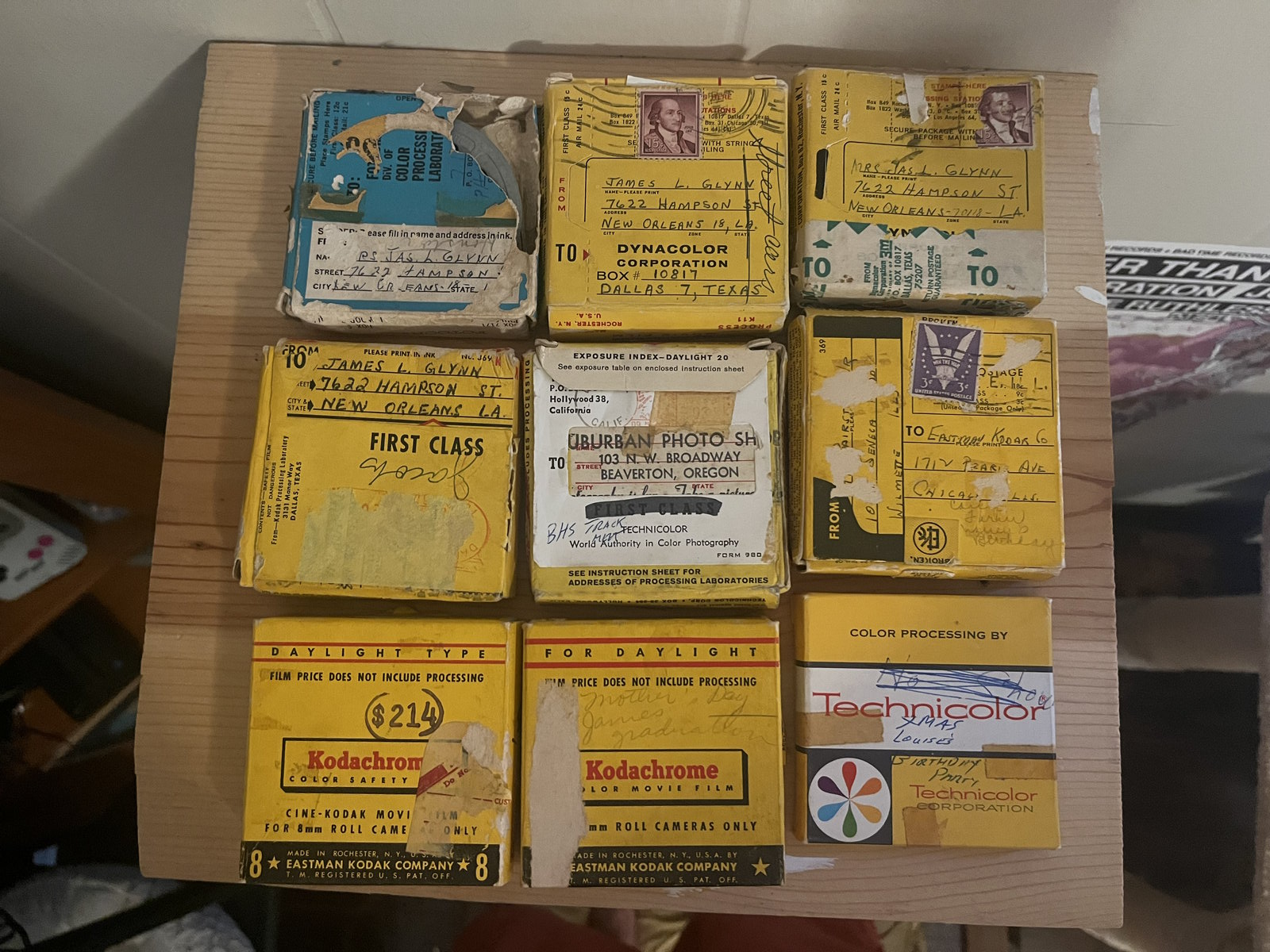
Archival work for nonprofits, mutual aid organizations, and private family collections (oral history, photographs, film, and papers), and a decade in projection booths handling other people’s irreplaceable prints. The curated exhibit “At Home” at The Front Gallery: 100+ hours of found footage of New Orleans inspected, mended, digitized, and researched.
The full record of positions, collections, and dates is on the CV.
Read the full CVStandards and tools
The same standards an institution would hold me to.
You do not need to know what these are. A grant officer, a university archive, or the next archivist to touch your collection will recognize every one, and that is who they are for. It means what I hand back can go straight into a repository without being redone.
- Description
- Dublin Core · PREMIS
- Cataloging
- AtoM · Omeka
- Digital preservation
- Archivematica · Archive-It
- Mapping
- ArcGIS
- Rights
- Working knowledge of US copyright, and release and consent procedures for oral history and photographs of living people.
- Conservation
- Fragile and deteriorating materials stabilized and conserved using archival-grade techniques, to extend the life of irreplaceable documents, photos, and items.
Why “Brouillette”
The name on the sign is not mine, and that is the point.
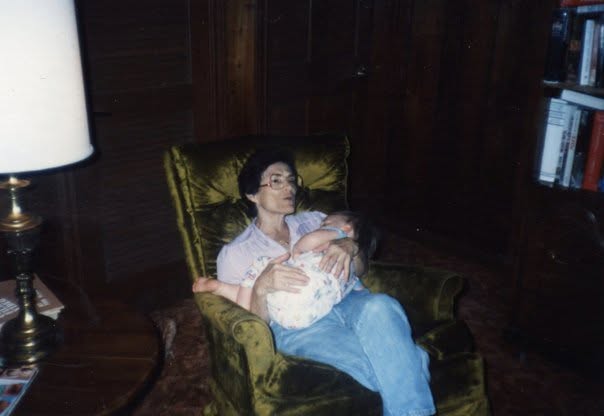
Brouillette was my grandmother's maiden name. Her family came from Marksville, in Avoyelles Parish. It is the kind of name that, in most families, survives as a signature on the back of a photograph and not much else. I put it on the practice so it would be said out loud a few more times, and because it is a reminder of what the work is for.
Marksville, Louisiana · Avoyelles Parish
Start with a free consult.
Tell me what you have, even if “a closet, I think” is the honest answer. No obligation, and I'll tell you if you don't need me.
Book a consult